

About Degmada
Degmeda is a specialized European manufacturer of premium fire-treated wood panelling. In its production, Degmeda uses the highest quality spruce and larch that comes from renewable forests, and Accoya, which is produced in the Netherlands.
Degmeda’s production is carried out according to the traditional Japanese Shou Sugi Ban technology, which Degmeda has perfected.
During more than 7 years of operation, Degmeda has created a large circle of satisfied clients throughout Europe. These are people who appreciate the quality, characteristics and unique natural aesthetics of fire-treated wooden coverings.
All Degmeda wood cladding has undergone strict quality control, meeting the highest standards and the most demanding clients.
How Degmeda wood cladding is made
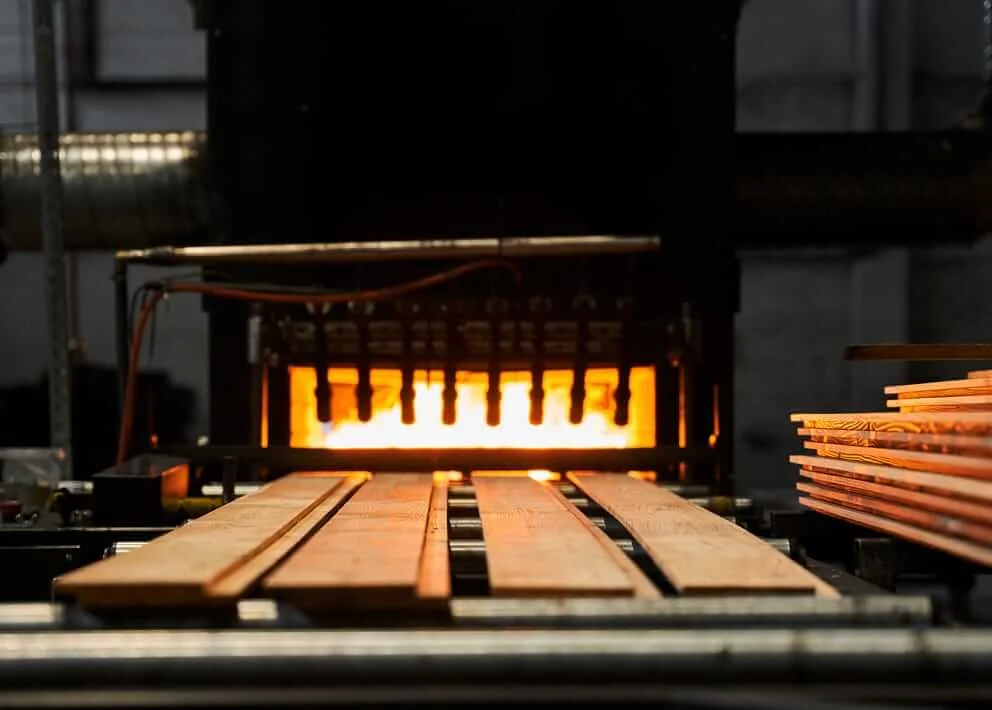
1. Drying wood in a kiln
The wood is dried to reduce the water content in the wood and then cut into panels that must be flat. This way, the surface layer of the panels burns evenly.
2. Fire treatment of wooden cladding
From three to seven linings enter the furnace and are treated with fire at a temperature of 1100°C. The surface of the covering is carbonized and the pores of the wood are closed. The basic structure of the wood improves and it gains natural protection against moisture, insects, termites and fire. In other words, wooden coverings become more durable, stronger and more durable.
3. Cooling
After leaving the kiln, the wooden linings are separated and cooled quickly.
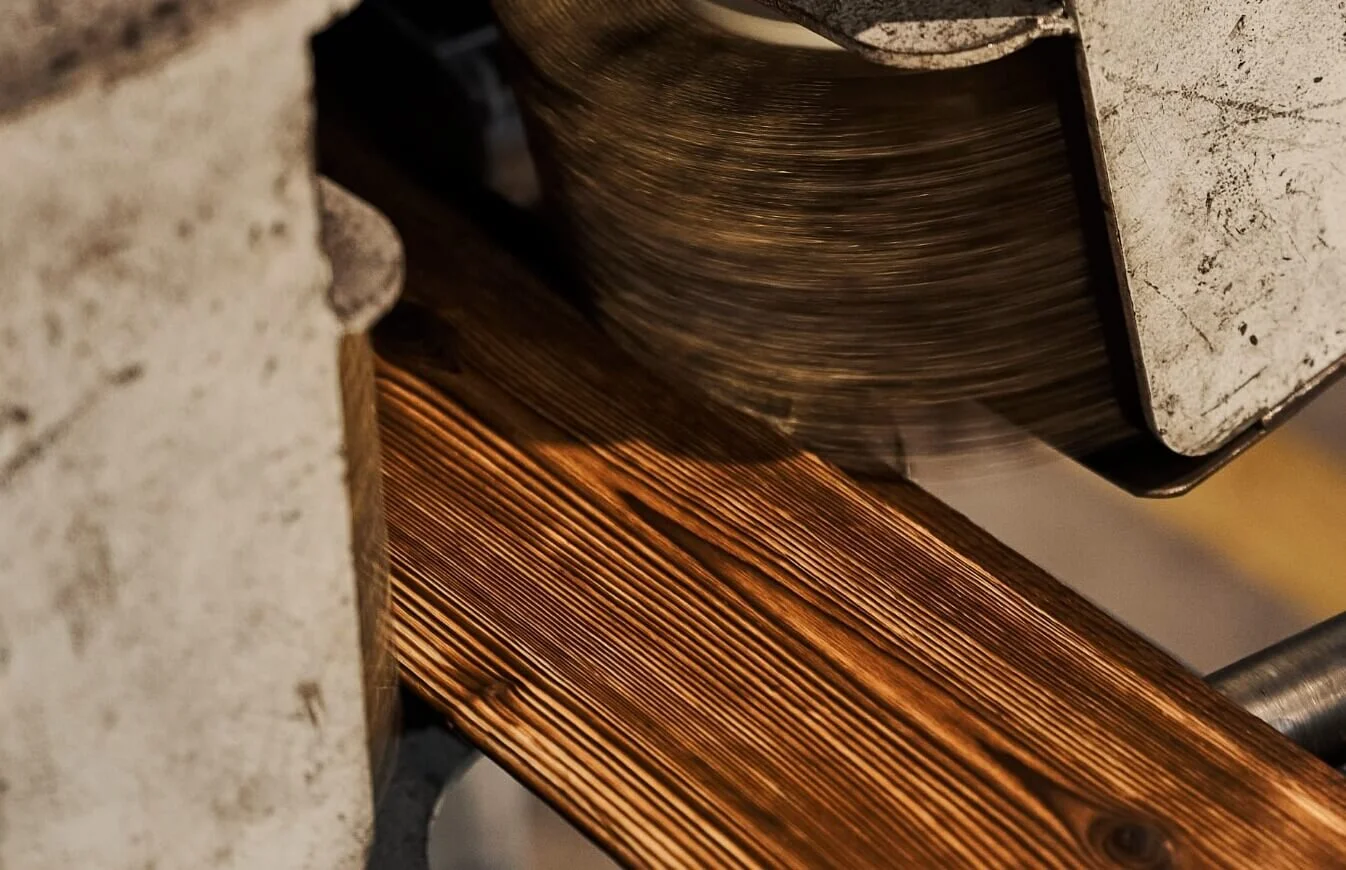
4. Processing of wooden coverings
Special brushes remove the ash, revealing the natural wood pattern. The intensity of the brushing gives the final appearance of the wood paneling, which can be, for example, intensely charcoal, dark black, dark brown, etc.
5. Additional protection
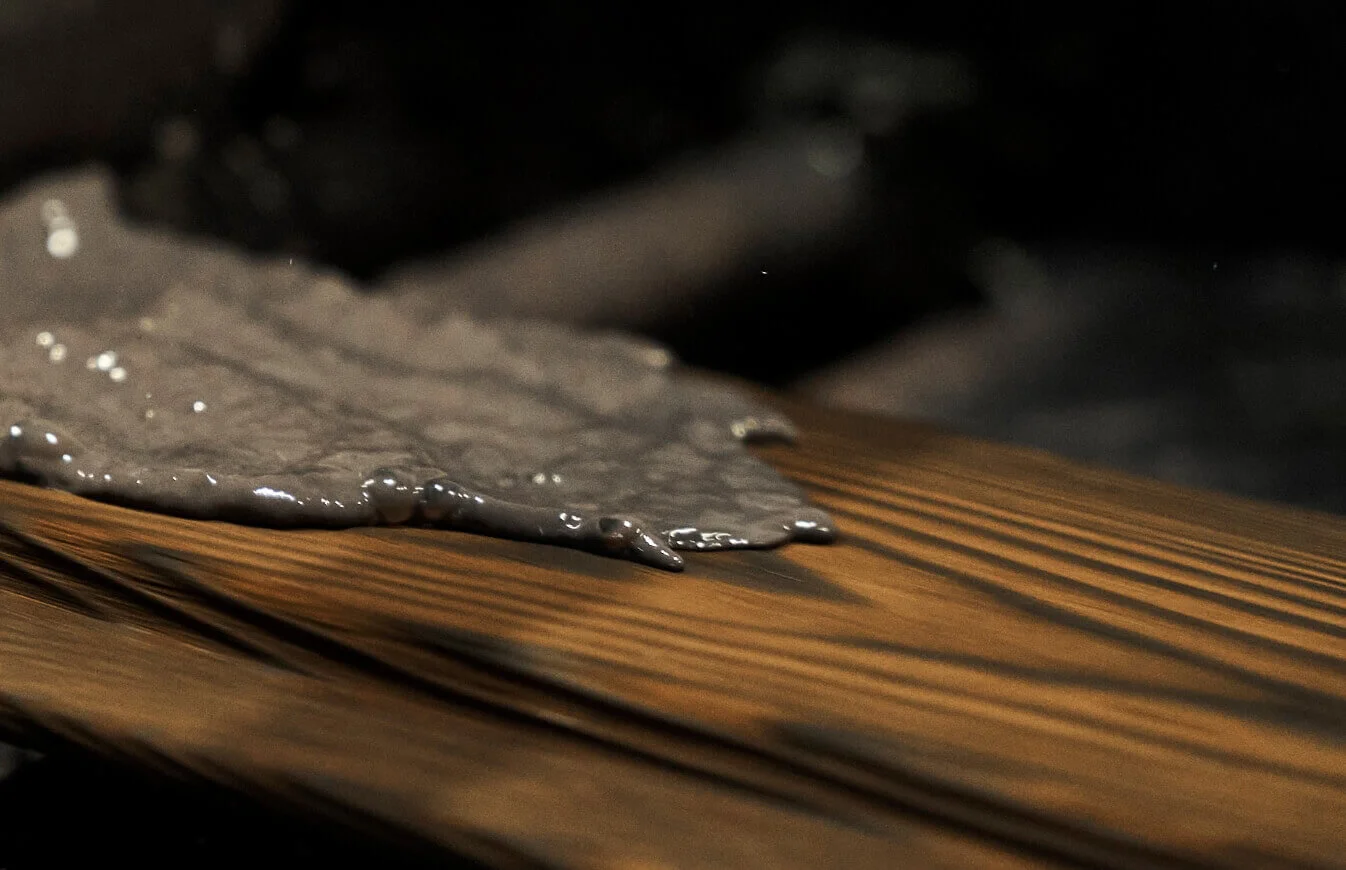
Wood paneling is additionally treated with protective oil or water-based paints that ensure the lasting beauty of fire-treated wood paneling.
6. Quality control
Each piece of wood paneling undergoes a rigorous quality control process. This ensures the highest standards of durability and craftsmanship. This step in the production of wood paneling is extremely important, as wood is a natural material and the process of treating wood panels with fire can have undesirable defects.
Advantages of Shou Sugi Ban technology
Fire-treated wood is a traditional Japanese Shou Sugi Ban technology also known as Yakisugi. The types of wood most suitable for fire treatment are: spruce, larch, pine, cedar and Accoya wood.
Fire-treated wood is aesthetically attractive, extremely durable, requires minimal maintenance, and is sustainable.
The main advantages are:
Resistance to insects and termites
The pores in the wood shrink during fire treatment, which reduces the ability of the wood to retain water (waterproofness) and rot, making such wood less attractive to insects and termites. This characteristic significantly extends the lifespan of fire-treated wood cladding.
Resistance to buckling, warping and bending
During fire treatment, the outer layer of the wood is removed, which also removes some of the wood’s moisture, which strengthens the wood and makes it more durable. This makes fire-treated wood an excellent choice for outdoor use, especially for facades, terraces and fences.
Sustainable material
Fire-treated wood is an environmentally friendly product because no harmful chemicals are used during the technological process, it is long-lasting and requires minimal maintenance.
Unique and contemporary aesthetic appearance
Wood treated with fire has a darker charcoal surface, which is why it is easy to combine it with all colors and then the natural wood pattern comes to the fore.
Accoya technology
• technology extends the life of wood
• wood is modified at the molecular level through the process of acetylation – the wood is first heated and then treated by introducing an acetyl group
• acetylation is a non-toxic and environmentally friendly process
• The Accoya production process uses soft, fast-growing wood from renewable forests
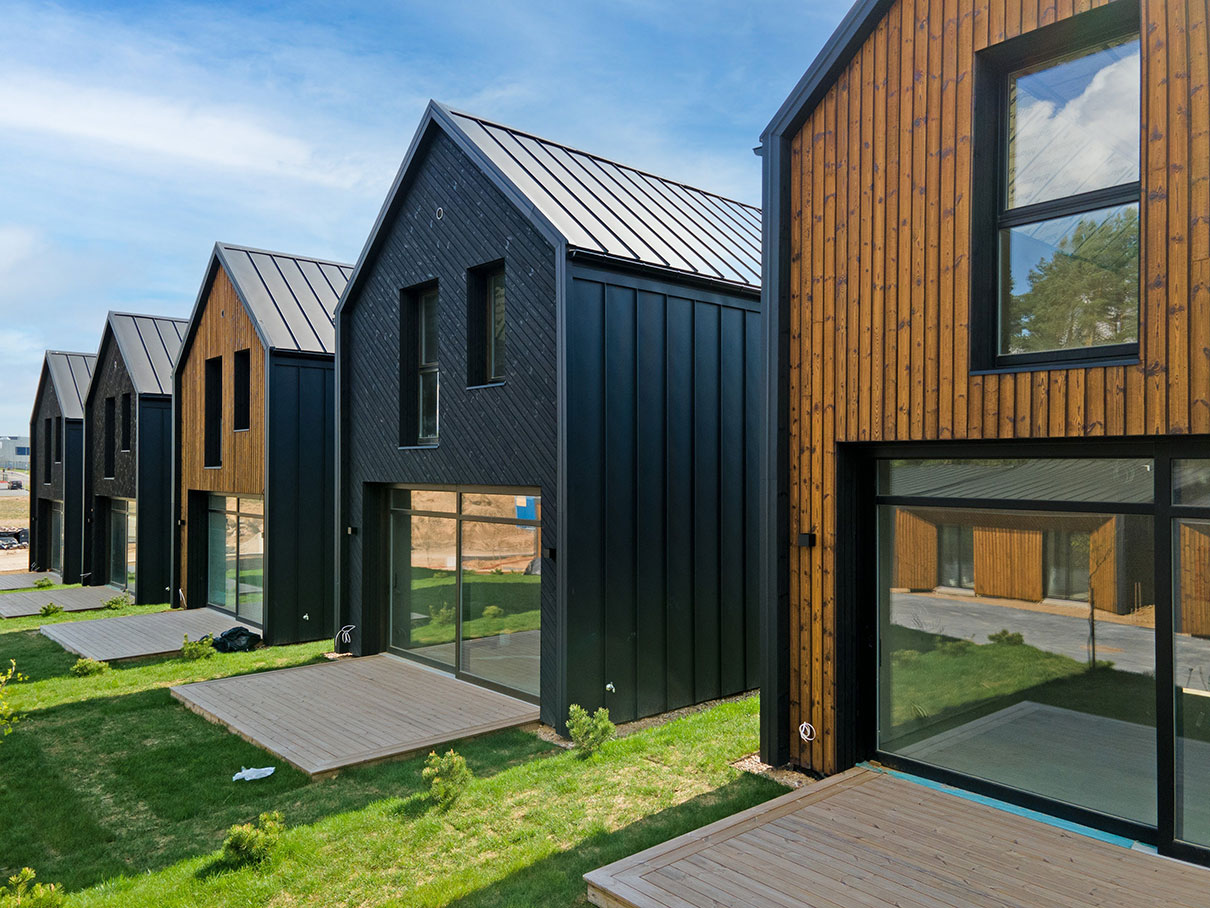
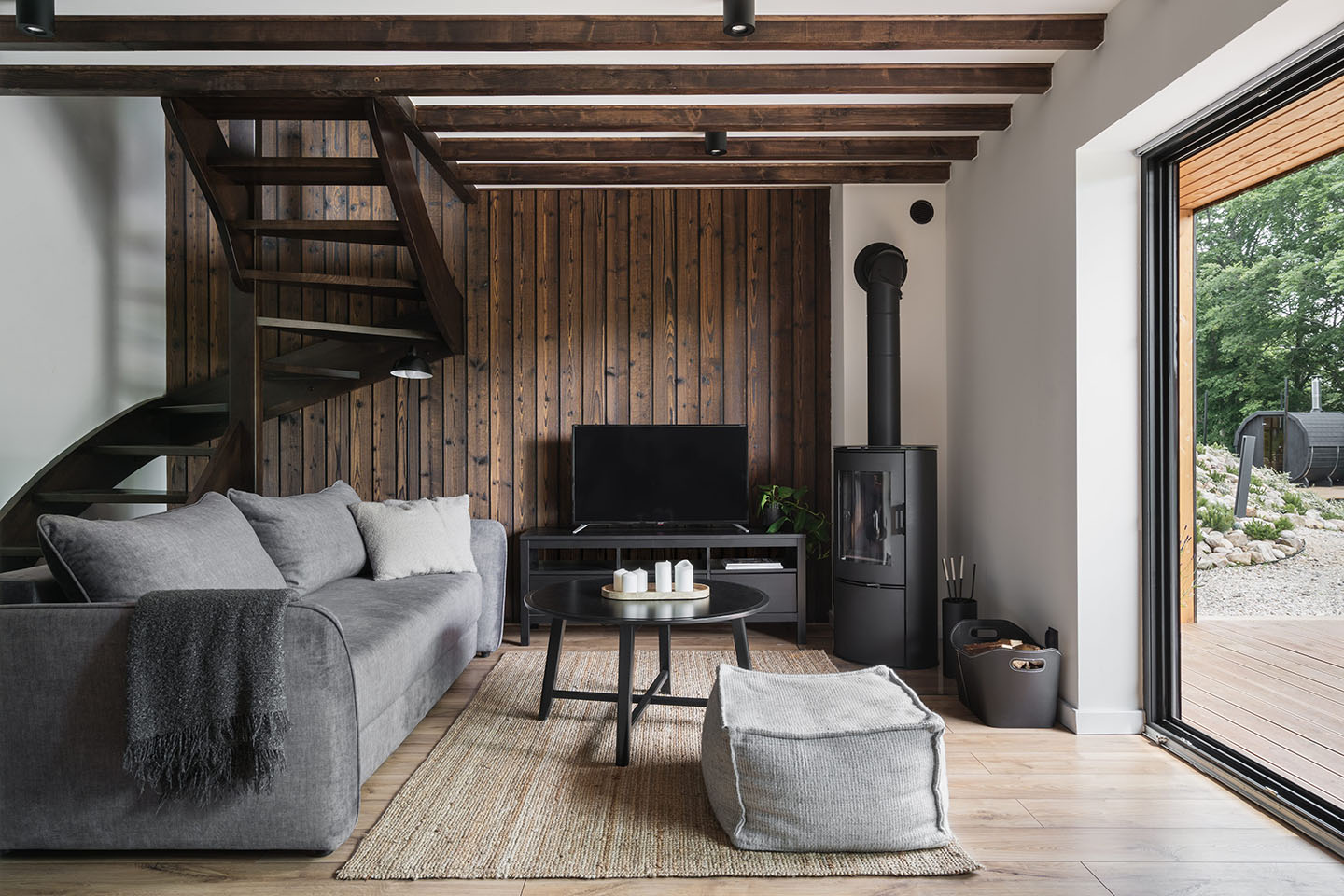
Application of Degmed wood cladding

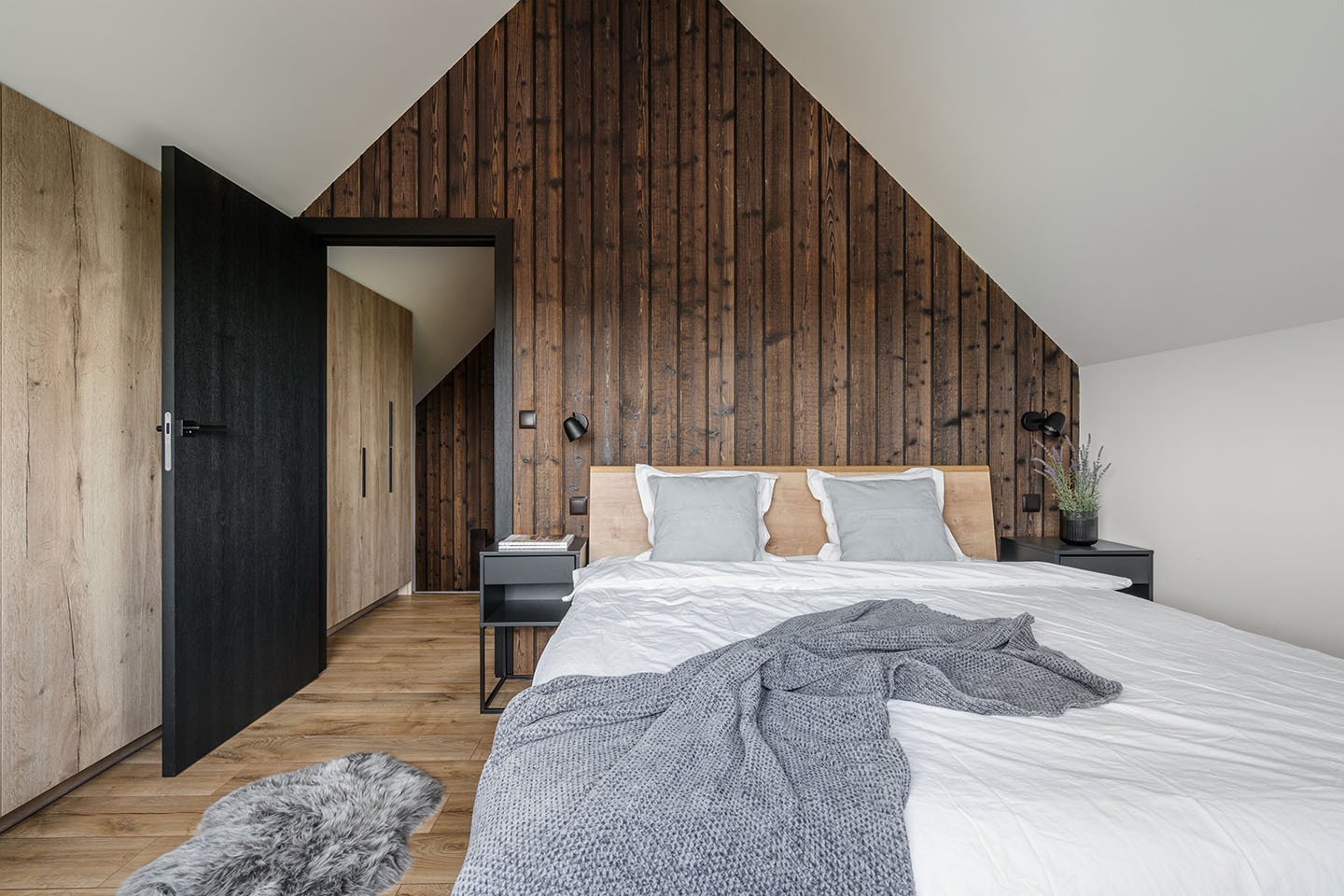
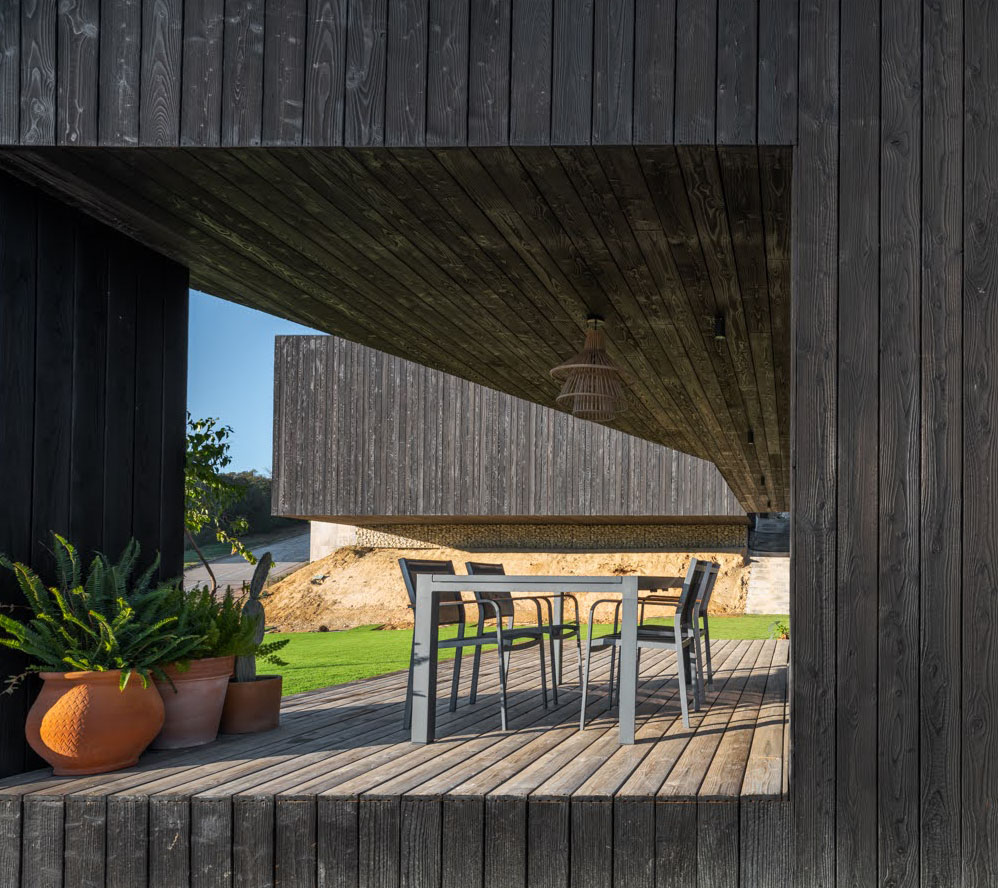
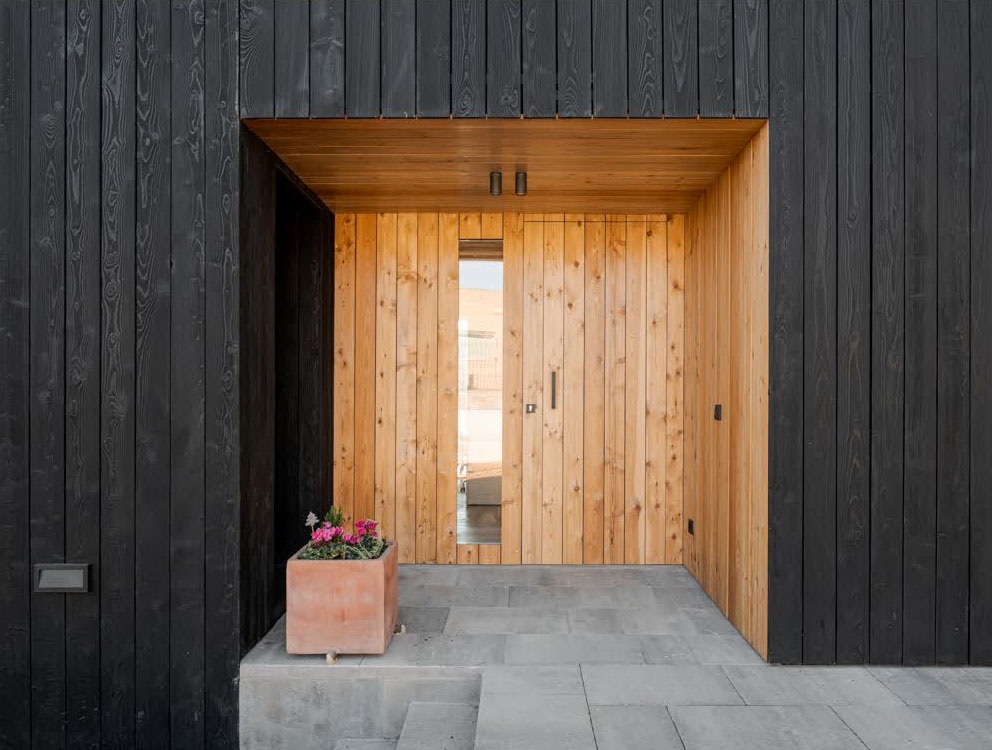
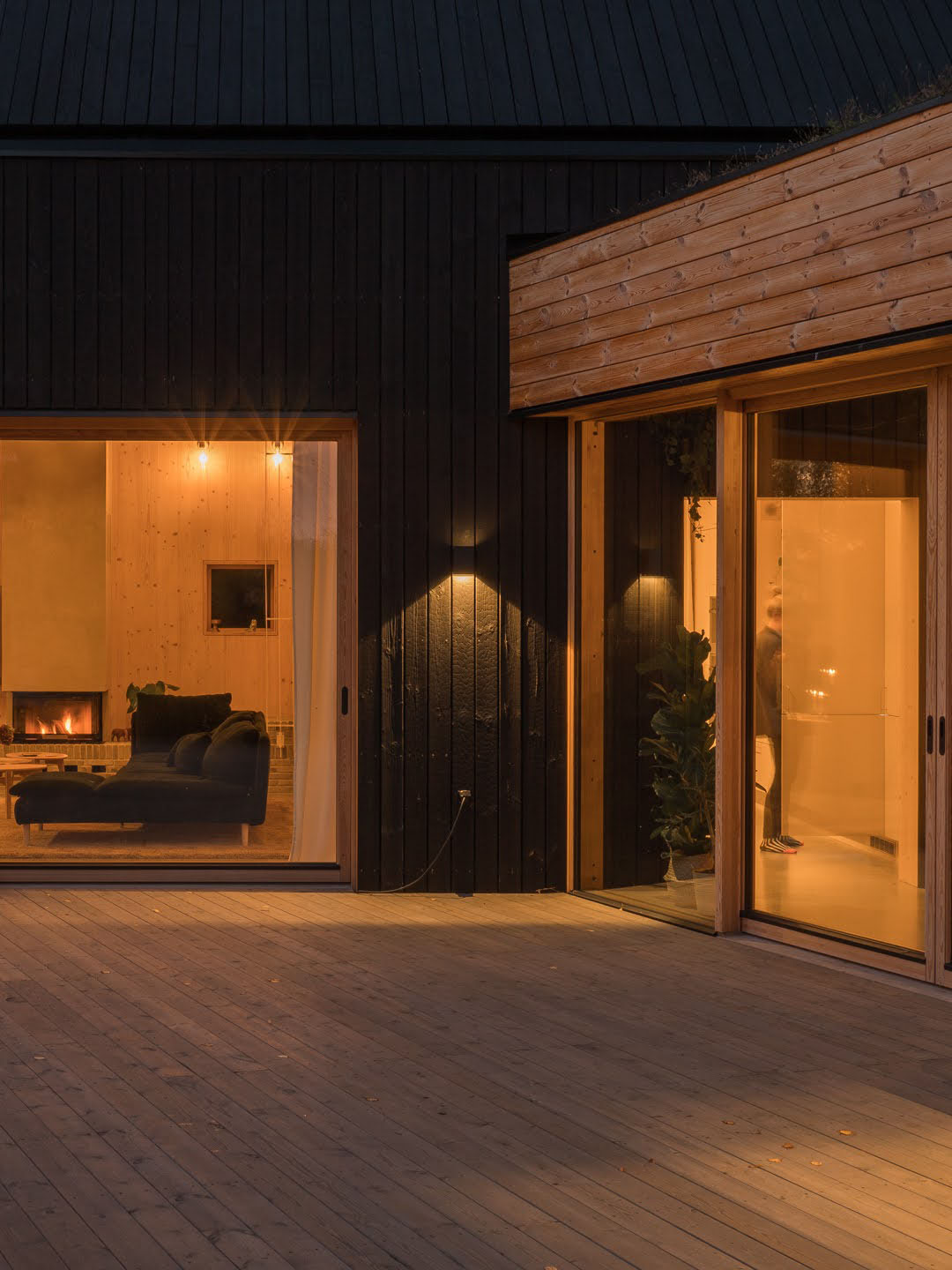
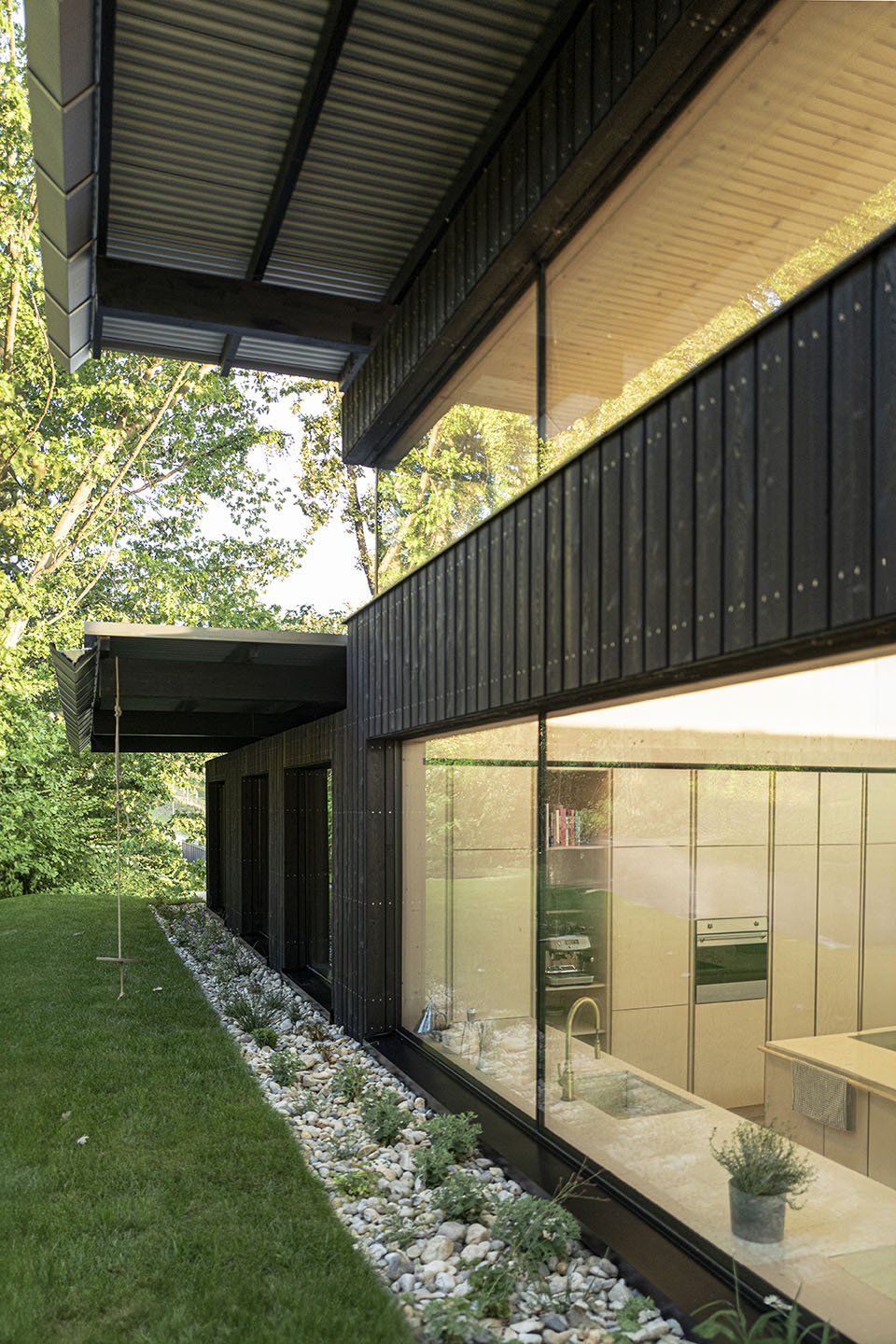
Maintenance of wood paneling treated with fire
Fire-treated wood cladding is a natural product and may require maintenance when exposed to external influences. The most negative impact is caused by UV radiation, which can cause fire-treated wood to fade and return to its natural grey colour. In order to maintain the initial colour of the wood cladding, it is necessary to periodically apply a layer of oil to the wood cladding.
It is recommended that fire-treated wood cladding:
• those that are outdoors, apply oil every 5-10 years
• those that are inside (interior) apply oil every 10-20 years
• Surface stains that may appear can be washed with water and possibly a soft brush. If necessary, ecological soap can also be used when washing.
Degmeda product range
Fire-treated spruce
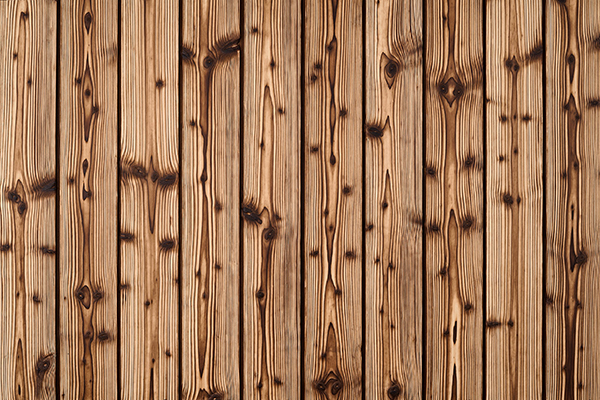
Natural spruce
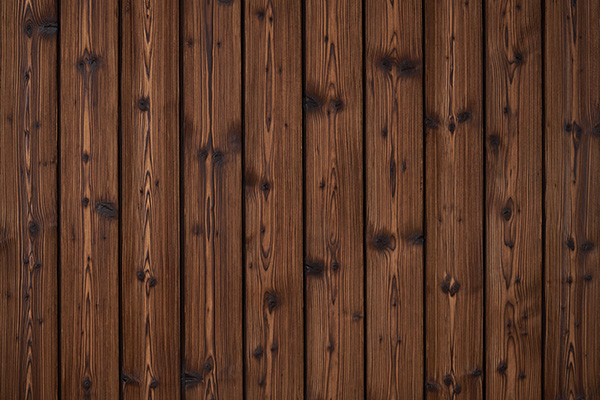
Amber spruce
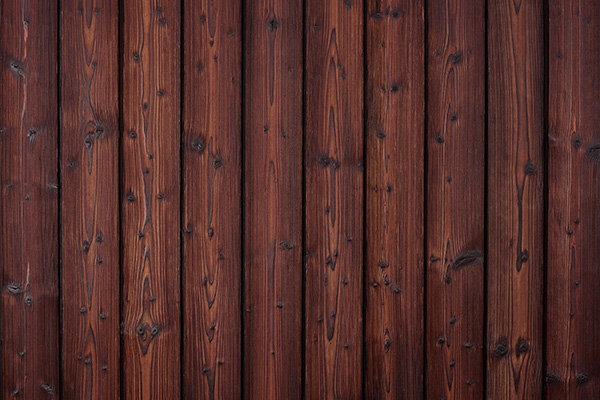
Red amber spruce
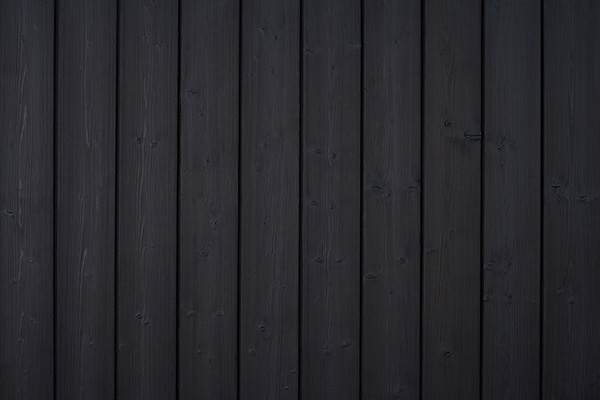
Dark gray spruce
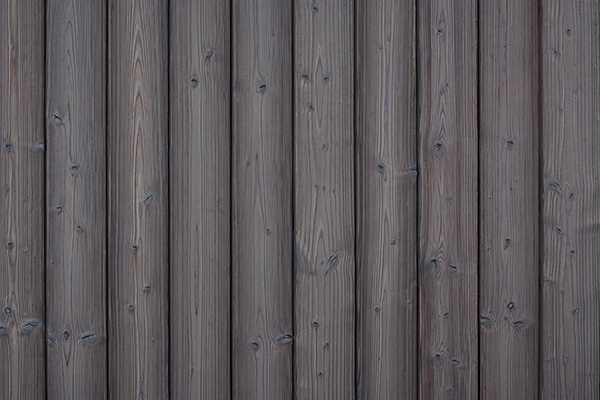
Light gray spruce
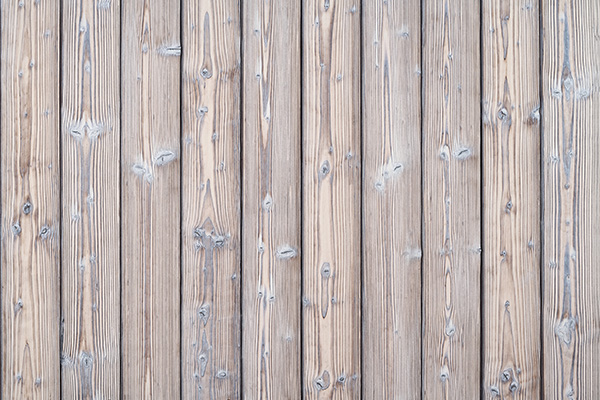
Silver-gray spruce

Intensely charred spruce
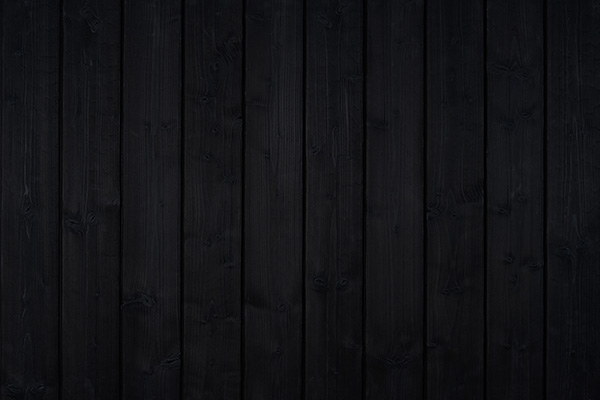
Dark black spruce
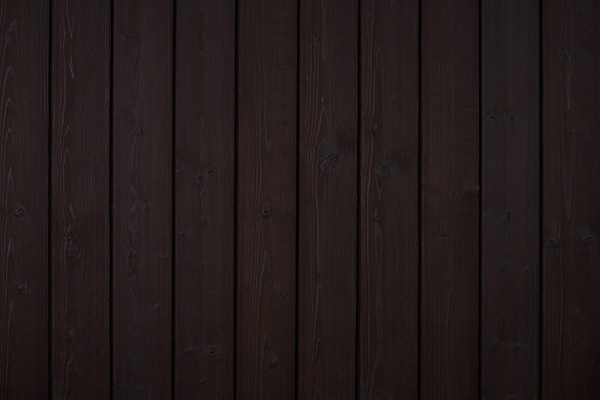
Dark brown spruce
Fire-treated larch
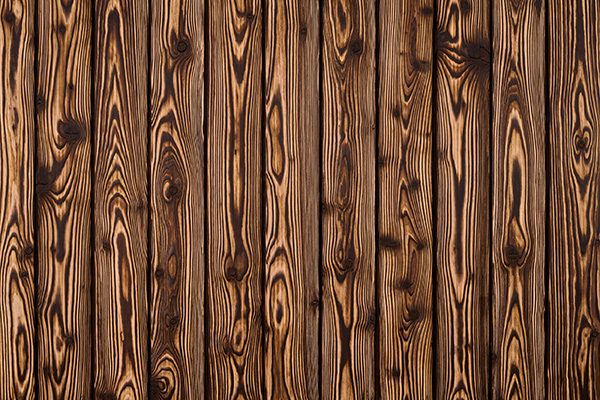
Natural larch
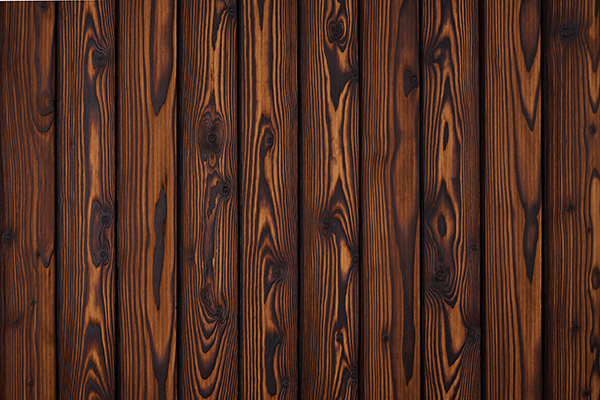
Amber larch
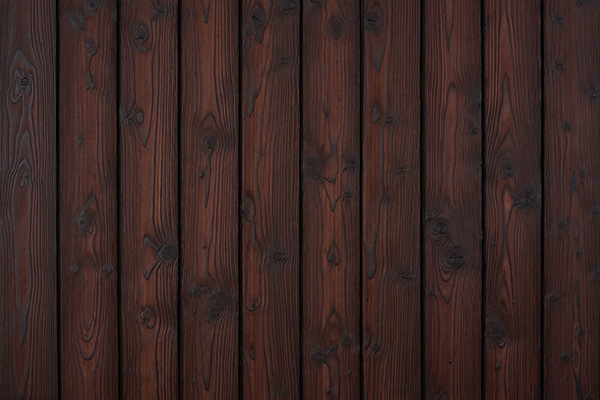
Red amber larch
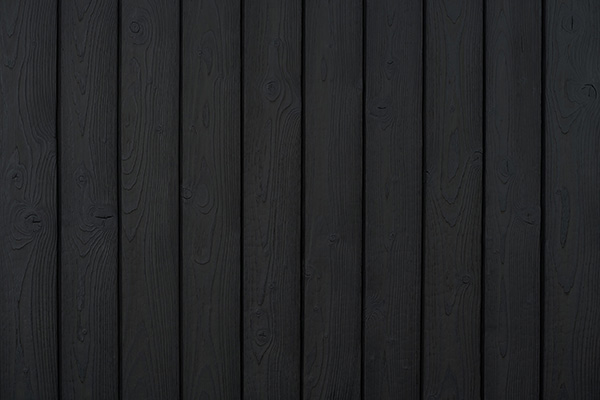
Dark gray larch
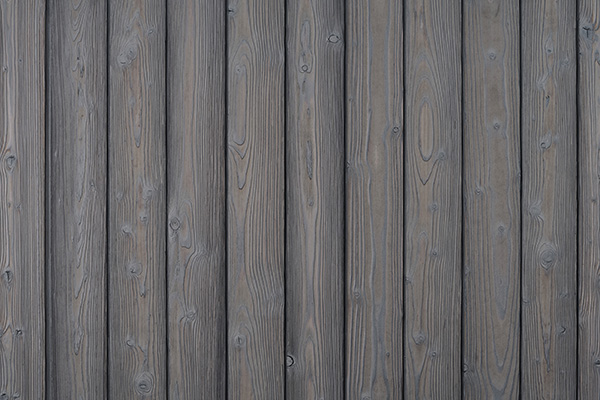
Light gray larch
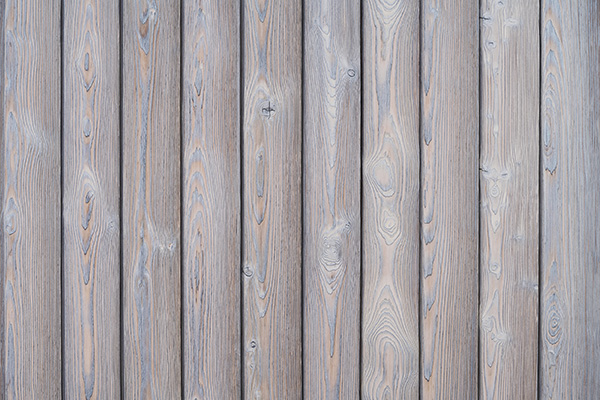
Silver gray larch
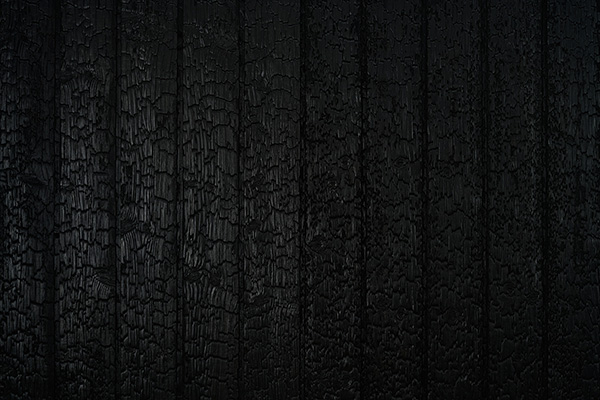
Intensely charred larch
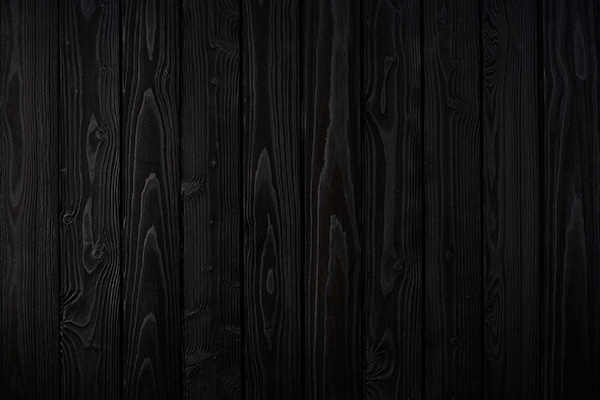
Dark black larch
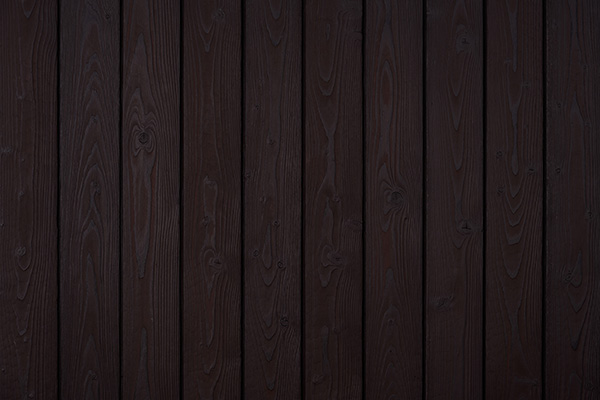
Dark brown larch
Fire-treated Accoya
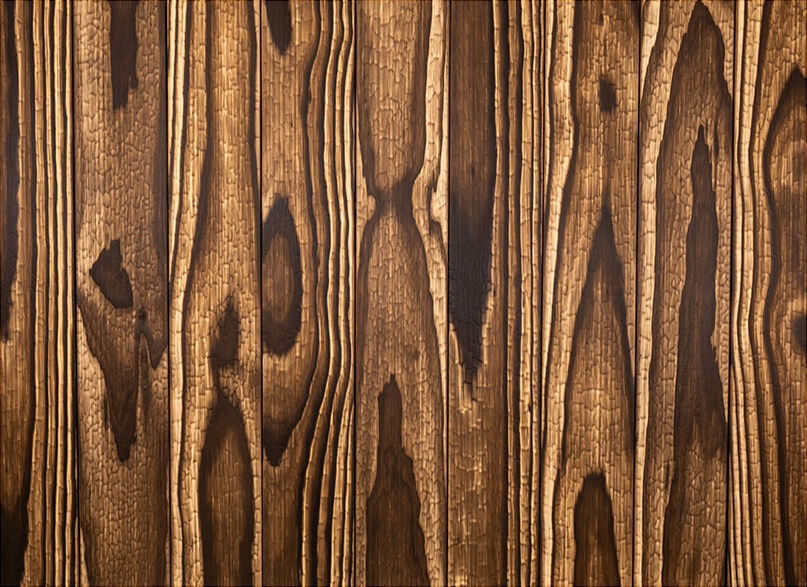
Natural Accoya
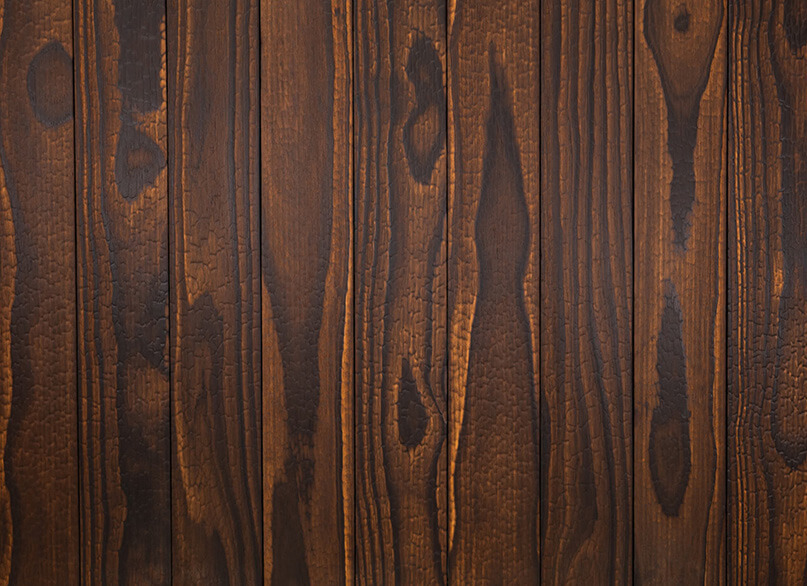
Accoya amber
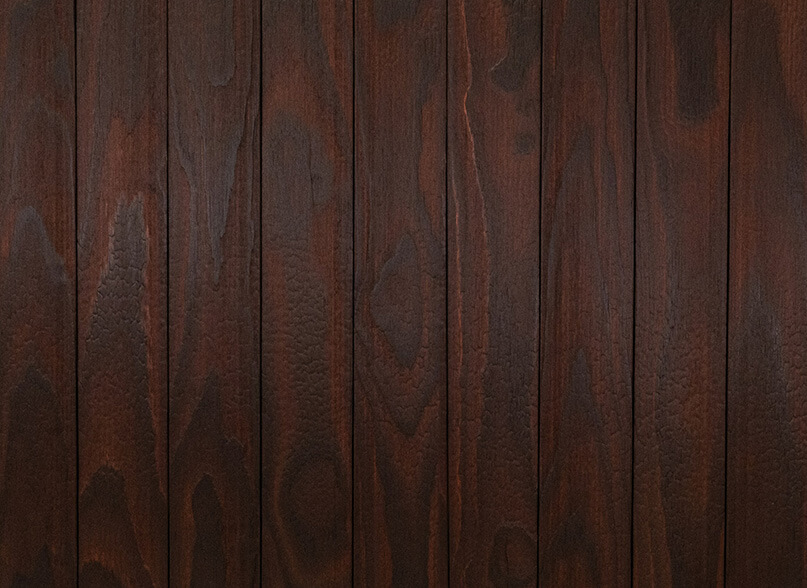
Accoya red amber
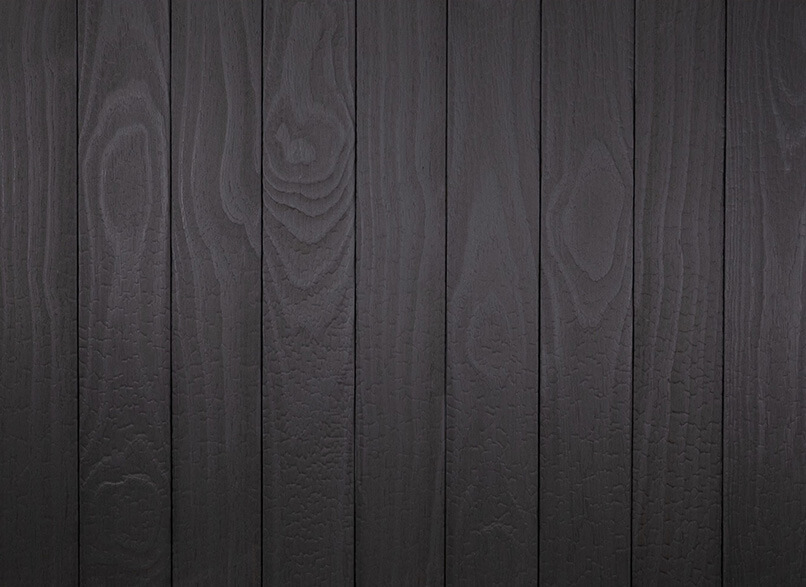
Dark grey Accoya
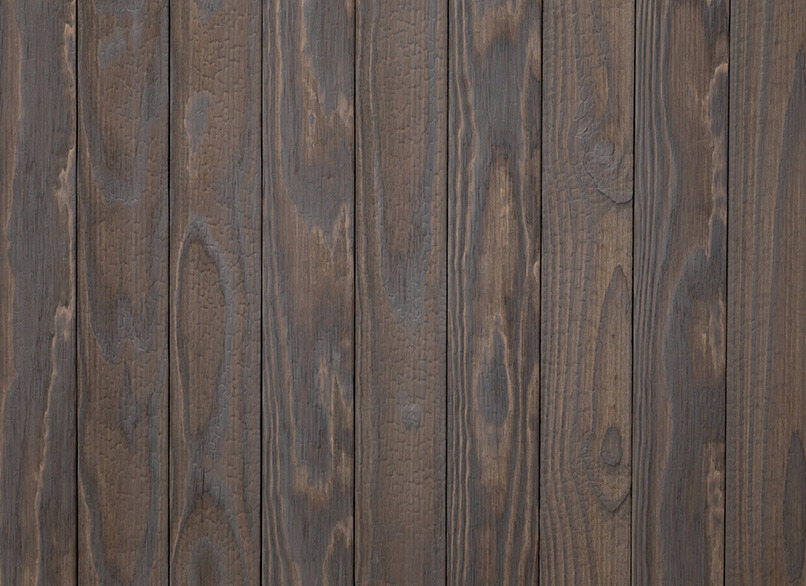
Light grey Accoya
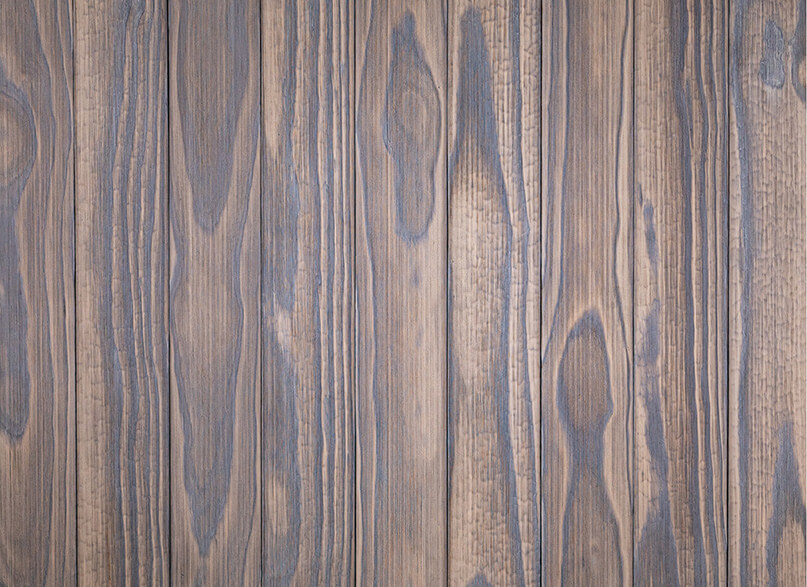
Silver grey Accoya
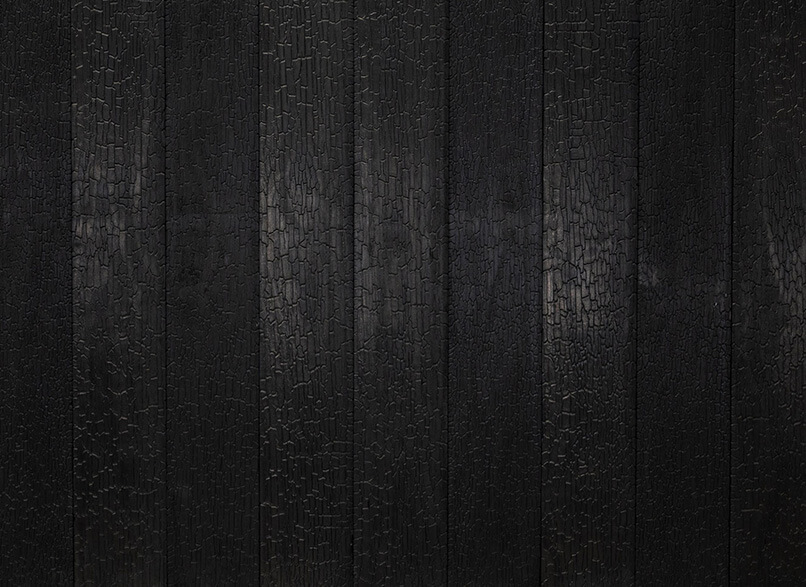
Intense carbon Accoya
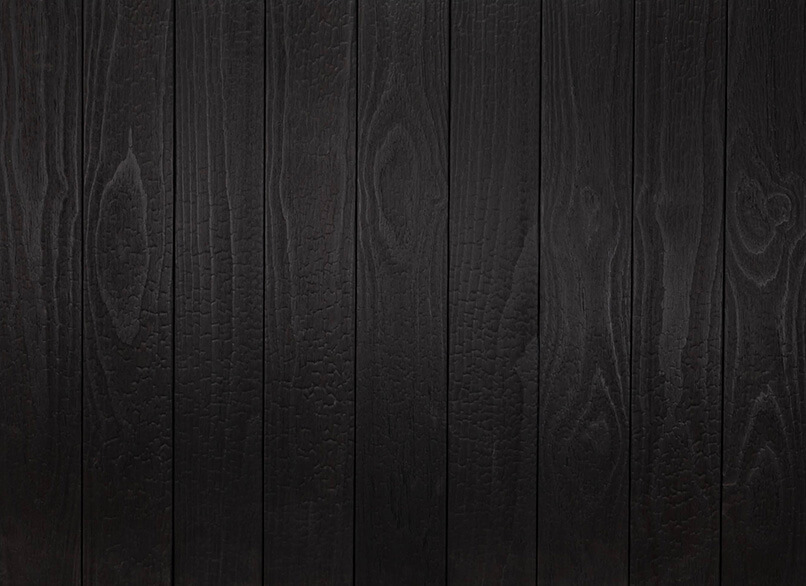
Dark black Accoya
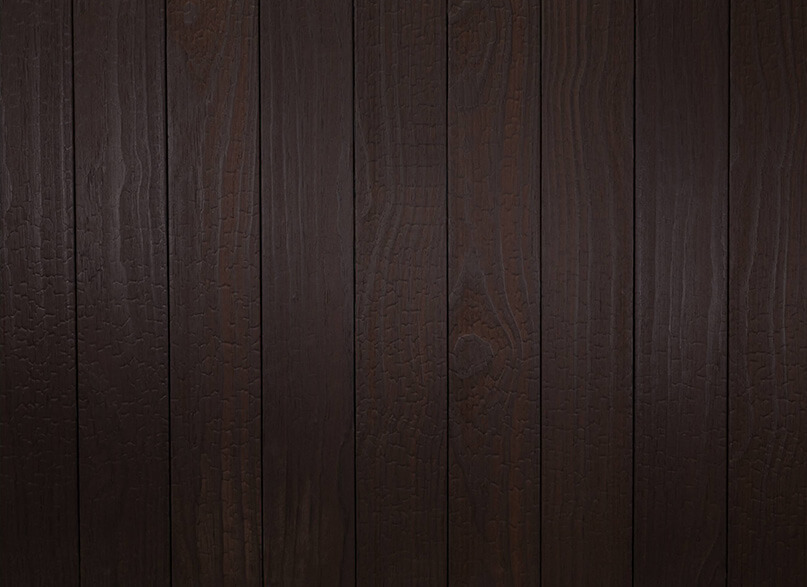
Dark brown Accoya